It can be hurtful when people don’t see that you’re just a catepillar that one day will be a butterfly. You’re growing, you’re becoming—and yet some will overlook you, dismiss you, or hurt you while you’re still in that in-between stage.
This blog came from my own reflection after a season of growth—when some of the very people who had a chance to be in my life, but hurt me, started trying to come back. The ex who told me I wasn’t attractive enough. The friend who excluded me. Even my dad, who was physically present but chipped away at my self-esteem with jokes about my weight, my clumsiness, how I dressed, my East Texas accent, and my love of learning.
Realizing I Was Still Carrying Bitterness
I thought I had let it all go, but it wasn’t until I let some of these people back into my life that I realized how much bitterness I was still holding onto.
Spending extended time around my dad on a road trip stirred it all up—memories of the old jokes and comparisons he used to make, the ones that chipped away at me over the years. He didn’t say them this time, but just being in his presence brought it all rushing back: the jokes about my weight, how I dressed, my accent, or my love of learning. The insecurities I had worked so hard to heal resurfaced in an instant, and I felt triggered in a way that caught me off guard.
What made it even harder was seeing him cozy up to me now, acting proud because I finally look the way he always wanted me to—slimmer, more polished, more successful. It felt disingenuous, like I was being rewarded for finally fitting into his picture of success. That realization made me feel small all over again, like I was only worthy of his approval now that I looked the way he wanted me to—not for simply being me.
Forgiveness Doesn’t Mean Letting Them Back In
I had to face the fact that forgiveness wasn’t about saying these people were right to mistreat me. It wasn’t about excusing their behavior or pretending I hadn’t been hurt. Forgiveness was about releasing the weight I was still carrying—letting go of the anger and resentment that had built up over years of being overlooked, belittled, or underestimated.
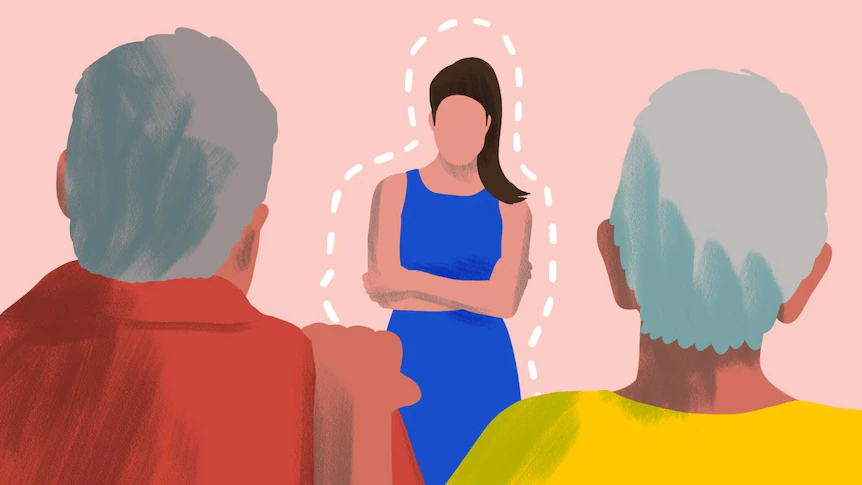
Because the truth is, some people won’t see your value until the outside starts to match what always existed inside. They didn’t see your worth when you were a caterpillar, but now that you’ve bloomed, they want to come back around. And as late bloomers, it’s up to us to decide who gets to experience the new and improved version of us. Just because someone didn’t appreciate you before doesn’t mean they automatically deserve access to you now. That’s not bitterness, that’s boundaries.
Why Forgiveness Frees Your Mind
There’s also a deeper reason why forgiveness is so important on the late bloomer journey—one rooted in the way our brains work.
When we hold onto bitterness and resentment, we’re not just holding onto memories—we’re keeping ourselves neurologically connected to an outdated version of who we were when the hurt happened.
Studies in neuroscience show that our brains are constantly rewiring themselves based on what we think, feel, and focus on. When you replay old hurts in your mind, your brain strengthens the neural pathways connected to those painful memories. It’s like a groove that deepens over time—keeping you stuck in the emotional patterns of the past.
But when you practice forgiveness, you interrupt that cycle. You tell your brain, “This is not my identity anymore.” You start to create new neural pathways that reinforce peace, self-compassion, and growth.
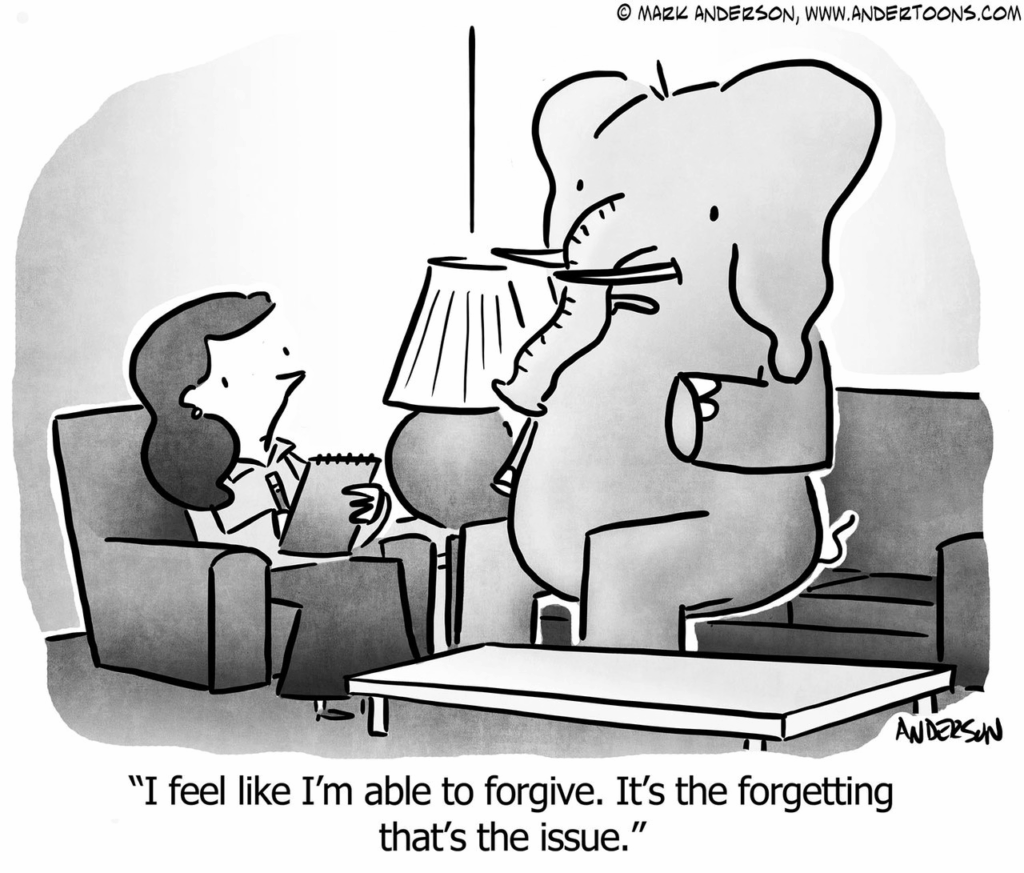
Forgiveness isn’t about forgetting. It’s about freeing your brain from the mental trap of being the person who was hurt.
That’s why, as a late bloomer, forgiveness is a survival skill. It helps you detach from the old version of yourself—the one who was overlooked, dismissed, or hurt—and step fully into the person you’re becoming.
Speaking the Truth and Choosing Peace
I had to learn this lesson the hard way with my dad. Reconnecting stirred up all the old insecurities I thought I had outgrown—the sense that I wasn’t good enough, the urge to shrink myself to avoid his jokes, the ache of wanting him to see me for who I really was.
I realized that protecting my peace meant respectfully declining a close relationship. It wasn’t because I didn’t love him, but because I love me too much to stay in a place where I’m still waiting for someone else to validate me. I’m learning that my own validation is enough.
And I don’t sugarcoat how people hurt me anymore. When they try to come back into my life—whether it’s an ex, a friend, or even my dad—I tell them exactly how their actions made me feel. Because I used to stay silent. I used to laugh along, swallow the pain, and beg to be seen. I don’t do that anymore.
Now, I tell them the truth: that they made me feel small, overlooked, and unworthy. And I tell them they can’t just come back because now I’ve bloomed and they see what was always there.
It’s not about holding grudges. It’s about honoring myself, my growth, and the person I’m becoming. Forgiveness, for me, is about letting go of the bitterness while also standing firm in my boundaries. It’s telling the truth, and then walking away with peace.
You Get to Decide Who Comes With You
If you’re a late bloomer too, and you’re finding that people are trying to re-enter your life now that you’ve grown, I hope you remember:
You don’t owe them access just because they suddenly see your worth. You’ve always been worthy. And you get to decide who experiences this version of you.
Until next time,
Late Bloomers.