
There was a time when receiving compliments made me tense up. I didn’t know how to receive them without turning them into a joke, a deflection, or a soft no. “You’re so pretty” became “It’s the makeup.” “You’re so smart” turned into “I just got lucky.”
Criticism, on the other hand? That, I could handle. I knew how to brace for it, absorb it, overanalyze it. Praise felt unfamiliar—like trying to wear a coat that didn’t fit yet.
I thought I was being humble. In reality, I was shrinking—rejecting the parts of me others could already see.
What I didn’t realize then is that you don’t have to agree with a compliment to receive it. But you can say thank you. And sometimes, that’s the most radical thing you can do for your self-esteem.
Especially as a late bloomer, learning to say thank you—without apology or resistance—became a quiet but powerful act of self-acceptance.
It started with a conversation I wasn’t expecting. A friend had just said something kind about how I carried myself. I laughed it off—“I just be trying not to trip.” She looked at me and said, “You know you can just say thank you, right?”
It was simple. But it stuck.
I had spent so long seeing myself through a critical lens that I didn’t know what to do when someone held up a softer mirror.
“It took me a long time to learn that you don’t have to earn every kind word.”
Why We Deflect (Even When We Crave Affirmation)
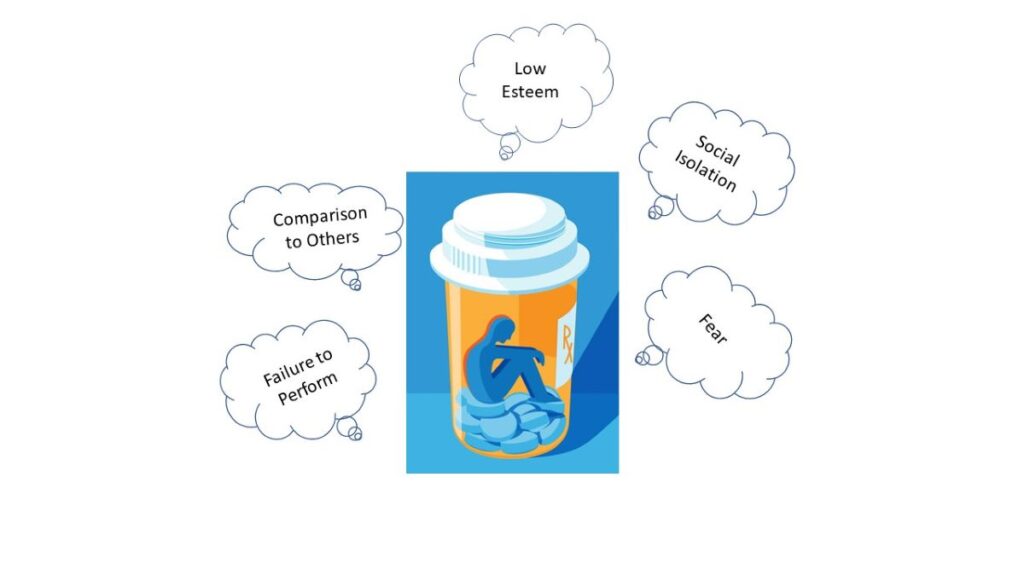
For me, deflecting compliments wasn’t about modesty—it was about mistrust.
When someone told me I was pretty, or that I had a beautiful presence, I didn’t believe them. I assumed they were just being nice, maybe even pitying me. I had spent too long in a story where I wasn’t special, wasn’t seen, wasn’t enough.
And that story? It felt truer than anything else—because I had lived it. To accept a compliment meant acknowledging that the people I once trusted—some of them family—had overlooked or misjudged me. That maybe they were wrong about me. And even harder to admit: maybe I had been wrong for believing them.
Growing up, I was only affirmed when I excelled—and I didn’t always know where I fit. I wasn’t athletic or considered stylish, and I didn’t have the kind of beauty my surroundings celebrated. So I clung to being smart and kind, because those were the only traits I believed were “safe” to own.
When Praise Doesn’t Make Sense
Compliments outside of that, especially about my appearance, struck me as misplaced. In my family, my hair was “too nappy,” my body “too much,” my height “too tall.” So when someone called me beautiful, it didn’t make sense. It didn’t fit the story I knew.
I remember my friend Steven once told me, “You’re a catch.” I had a quiet crush on him, and my first thought was, If I’m such a catch, why don’t you want to date me? It never occurred to me that maybe he didn’t feel good enough for me. I wanted to believe him—but I didn’t know how.
Receiving compliments was hard because I was still untangling myself from an old narrative—one that told me I wasn’t worthy of being seen in that way. And when you’ve lived inside a story like that for so long, even love can feel like a foreign language.
Studies show that people with low self-esteem often struggle to internalize positive feedback. Psychologist Guy Winch explores why in this Psychology Today article.
The Compliment as a Mirror
What I’ve learned is this: a compliment doesn’t have to reflect who you think you are. It reflects how someone else experiences you. And if you’ve lived a long time undervaluing yourself, that kind of reflection can feel uncomfortable—sometimes even threatening.
But over time, I realized that receiving compliments isn’t just flattery. They offer glimpses into a version you may not have fully recognized yet—a version that’s already blooming, already radiant, whether you believe it yet or not.
In that way, compliments became a mirror. Not the kind I used to stand in front of just to critique myself—but one that reflected my energy, my growth, my essence.
At first, I resisted it. But when I started staying with the compliment—sitting in the discomfort and simply saying thank you—I softened. I started holding my head a little higher. I began taking better care of myself.
Because deep down, I had believed that only beautiful people were worthy of care. But the truth was, I was the first person who had to choose me.
And I began to understand something else, too:
Our personal stories are only one version of the truth.
They’re shaped by our environment, our culture, and other people’s projections.
But just because it’s familiar doesn’t mean it’s the full picture.
Practicing “Thank You”
If receiving compliments feels hard, you’re not alone. Many of us were conditioned to mistrust praise or shrink from visibility. Saying thank you might sound small, but for those of us who’ve spent years deflecting kindness, it’s a shift.
You don’t have to fully believe the compliment. You just have to stay long enough not to run from it.
Because every time you say thank you, you’re telling yourself:
I’m allowed to be seen now.
I’m allowed to be affirmed.
I’m allowed to be soft and celebrated, even if I’m still becoming.
No deflection.
No apology.
No “oh this old thing?”
Just—thank you.
A Quiet Invitation
If this resonated with you, try this:
Write down five compliments you’ve received that still linger in your memory.
Not because you believed them at the time—but because something in you wanted to.
Maybe it was a friend who called you radiant.
A stranger who noticed your presence.
Someone who said, “You’re the kind of person people remember.”
Write them down. Sit with them. Let them echo.
You don’t have to fully believe them yet. But if they stayed with you, maybe they were speaking to a version of you still unfolding.
Say thank you— and let that be enough, for now.
Late bloomers often blossom quietly at first. But even quiet growth deserves to be seen.
Until next time,
Later Bloomers
If this resonated with you, you might also enjoy How Mirror Exposure Helped Me Overcome Body Dysmorphia.